Your Path to Legally Marrying in Ireland
Ireland’s landscape offers a breathtaking backdrop for beginning your life together, but navigating the legal requirements requires careful planning. This clear, step-by-step guide is designed to reassure you as you prepare for your ceremony.
From understanding eligibility and the vital 3-month notification process to choosing your solemniser and the final signatures on the day, we break down every stage into manageable steps.
My goal is to handle the legal clarity so you can focus on the heartfelt promise you are about to make.

The Notification Process
01
The 3-Month Rule
By law, you must notify the Registrar of your intention to marry at least three months before your wedding date. I recommend booking your notification appointment as soon as you have confirmed your venue and date to ensure availability.
02
The Appointment
Both parties must attend an in-person meeting with the Registrar. You will need to bring specific documents, including passports, a utility bill dated in the last 6 months for each party, birth certificates, and, if applicable, divorce decrees. During this meeting, you will sign a formal declaration that there is no impediment to your marriage.
03
Paperwork Issued
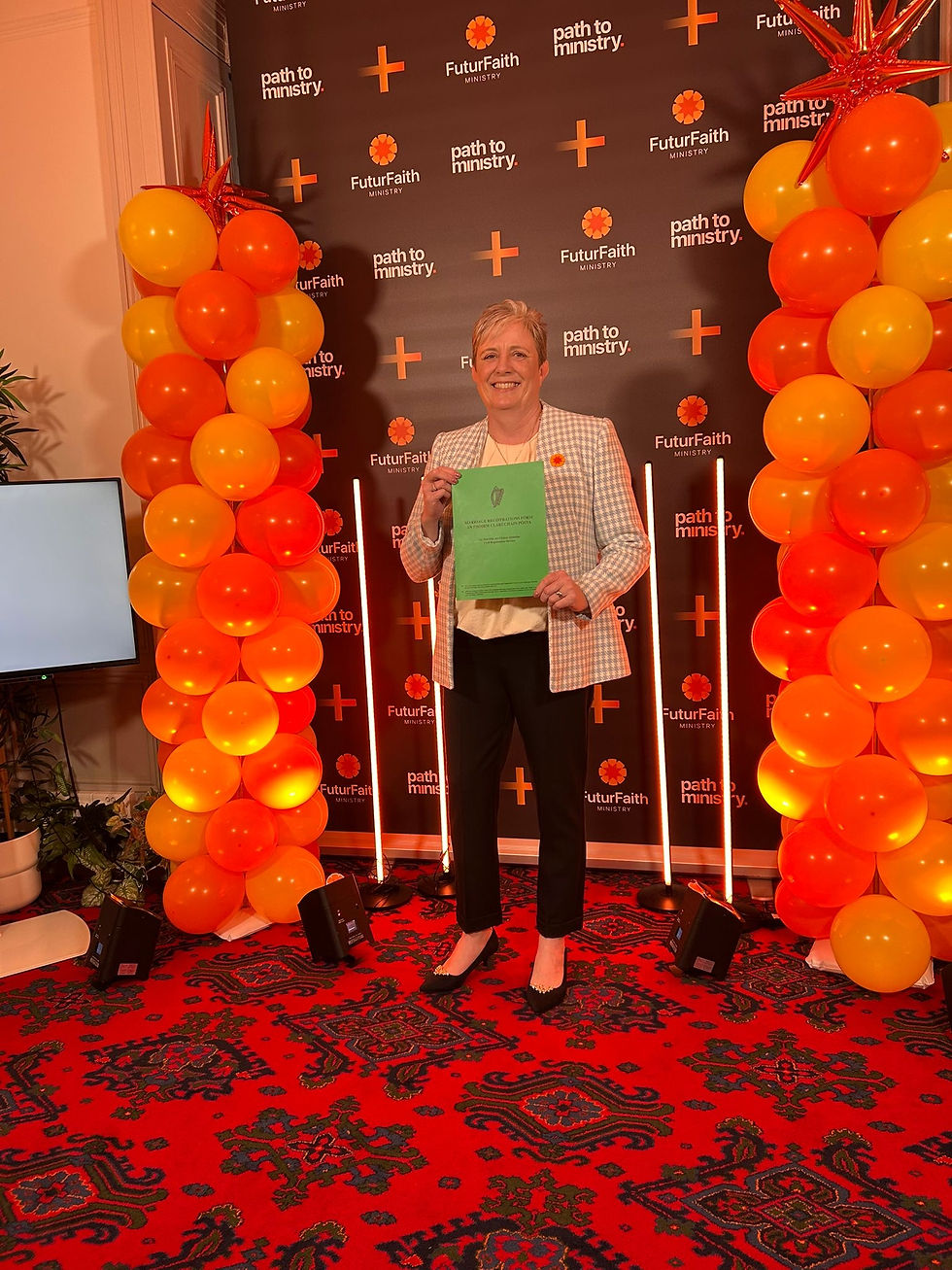
Once the Registrar is satisfied, they will issue your Marriage Registration Form (MRF). This vital document is what you will bring to the ceremony. On the day, you, your two witnesses, and I will sign it to formally register your marriage with the State.
Eligibility & Requirements
Age & Status
Both parties must be over the age of 18 and free to marry. This means you must be single, or provide a final divorce decree or death certificate of a former spouse if applicable.
Documentation
You will need a valid passport, an original long-form birth certificate, and if from abroad, a Certificate of Freedom to Marry. All documents not in English require a certified translation.
Residency
There are no residency requirements to get married in Ireland. Couples from all over the world can legally wed here, provided they complete the 3-month notification process.
Choosing Your Registered Solemniser
To legally marry in Ireland, your ceremony must be performed by a registered solemniser. As a GRO-approved solemniser nominated through Futurfaith Ministry, I am listed on the official Register of Solemnisers. I guide you through the nomination process, ensuring every legal requirement is met with absolute clarity and peace of mind.
The Legal Formalities of the Day
- Two witnesses aged 18 or over must be present throughout the entire ceremony.
- Declarations - Both parties will make two mandatory declarations regarding legal impediment and take each other as spouses.
- MRF Form - The Marriage Registration Form (MRF) must be signed by the couple, witnesses, and solemniser immediately after the ceremony.
- Presence - Your registered solemniser must be physically present to conduct these legal requirements.
Finalising Your Marriage
The final steps are simple but essential for your legal registration. Once the celebrations conclude, you will have your signed Marriage Registration Form (MRF) ready for the final process.
It is your responsibility to return this form to any office of the Registrar of Births, Deaths and Marriages within one month of your ceremony. Once processed, your marriage is officially registered, allowing you to apply for your legal Marriage Certificate—a beautiful and permanent record of your commitment.

Important Legal Considerations
The Three-Month Rule
By law, you must give at least three months notice to the Civil Registration Service before your intended wedding date. This 'Notification of Intent to Marry' is the first step in your legal journey.
Approved Locations
Legal ceremonies must be held at venues with a specific address that are open to the public. Private homes are generally not permitted for legal solemnisation.
Legal Witnesses
You will need two witnesses present during your ceremony. Both must be aged 18 or over and will sign the Marriage Registration Form along with you and the solemniser.
Choosing Your Solemniser
Ensure your celebrant is on the Register of Solemnisers maintained by the General Register Office. Sara is a fully registered solemniser, authorized to perform legal marriages across Ireland.